with Norwegian summer, mountain pastures in our heads we are transported into a very different place. Too much to say about this here.
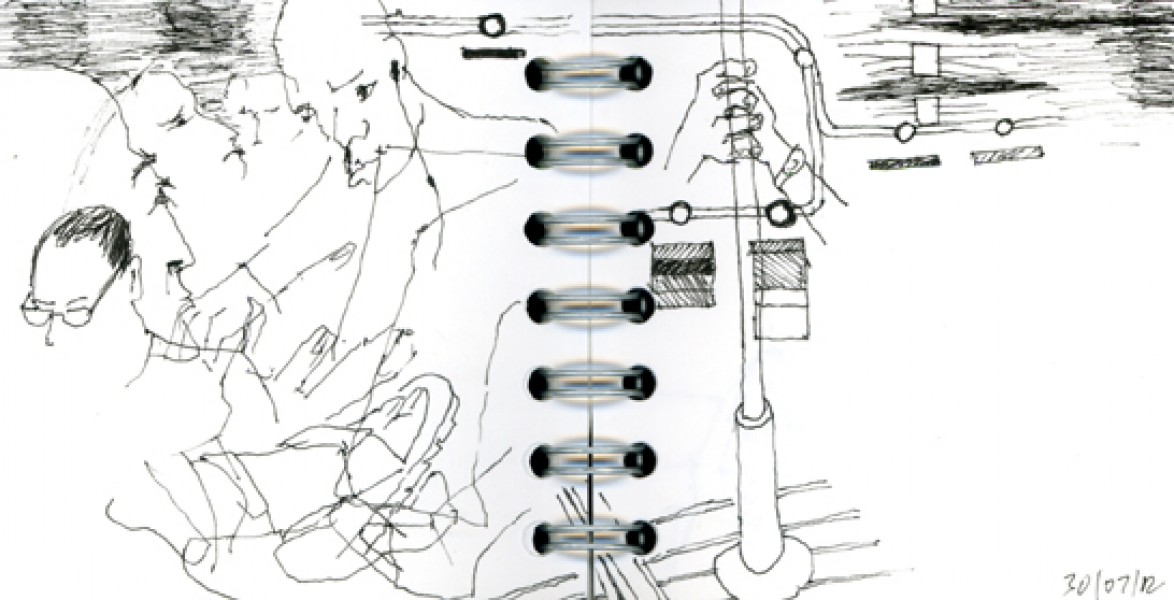
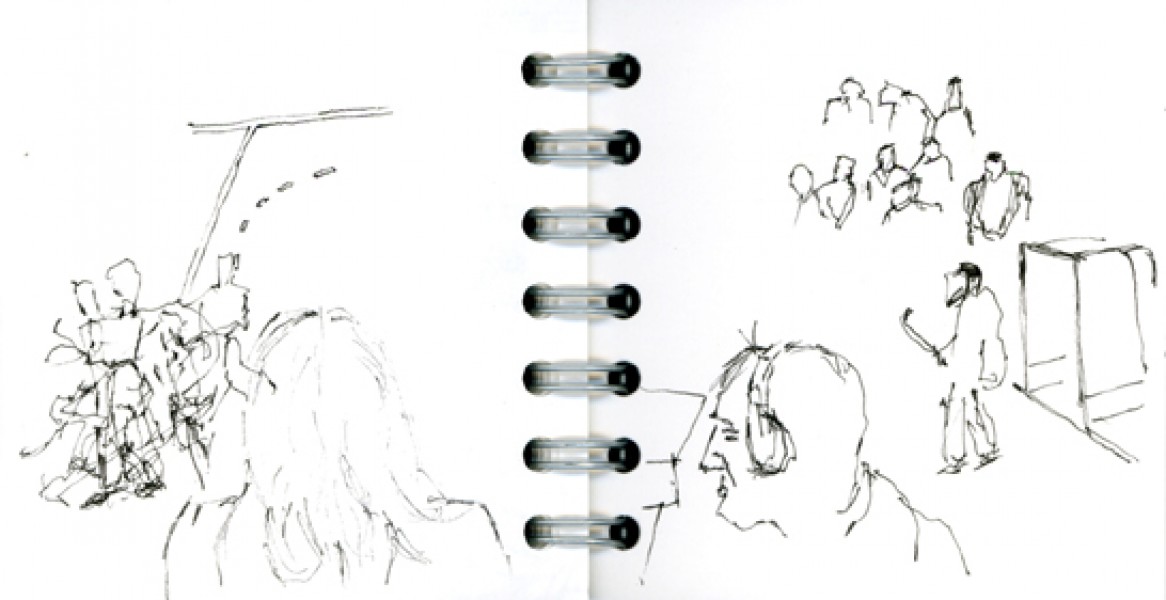
with Norwegian summer, mountain pastures in our heads we are transported into a very different place. Too much to say about this here.
Traveling and visiting art gallery in Bergen, checking out painters mentioned by Jorun and Morten.
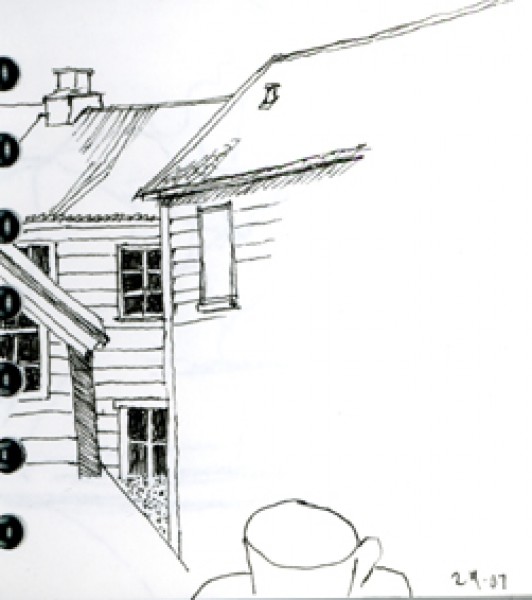
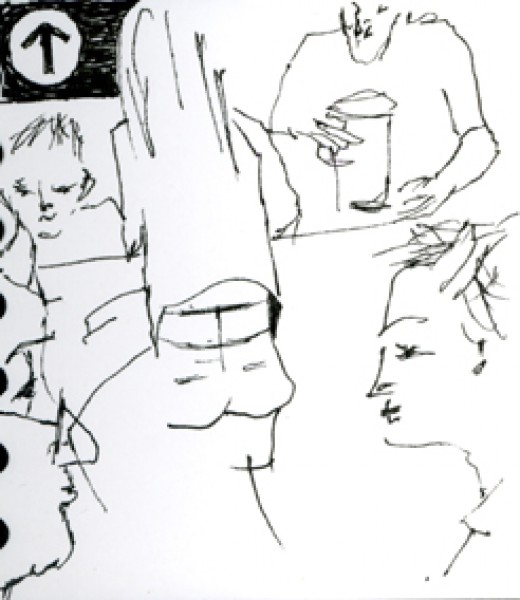
Day 5. Aurland to Stalheim.
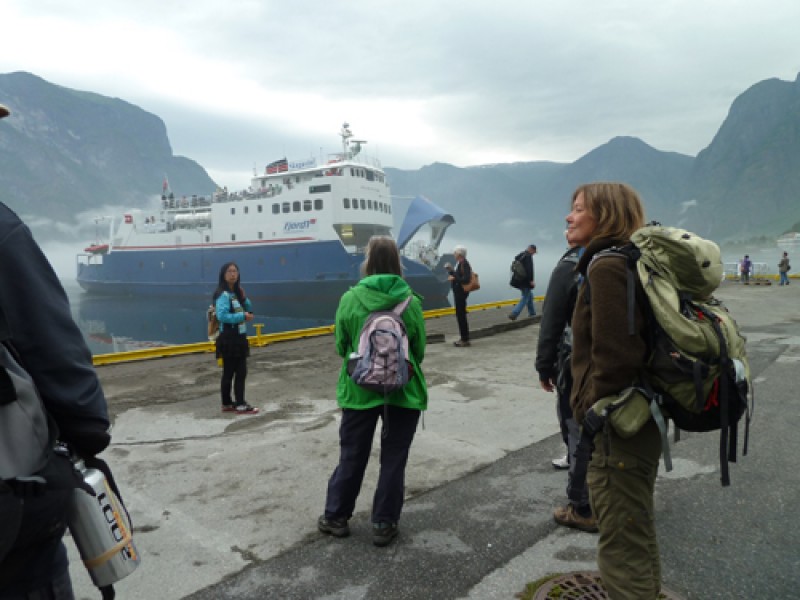
Ferry crossing, art-walking, rowing boat and meal at museum settlement. Joined for the day by Lisbeth Engebretsen and Dag Nordsveen.
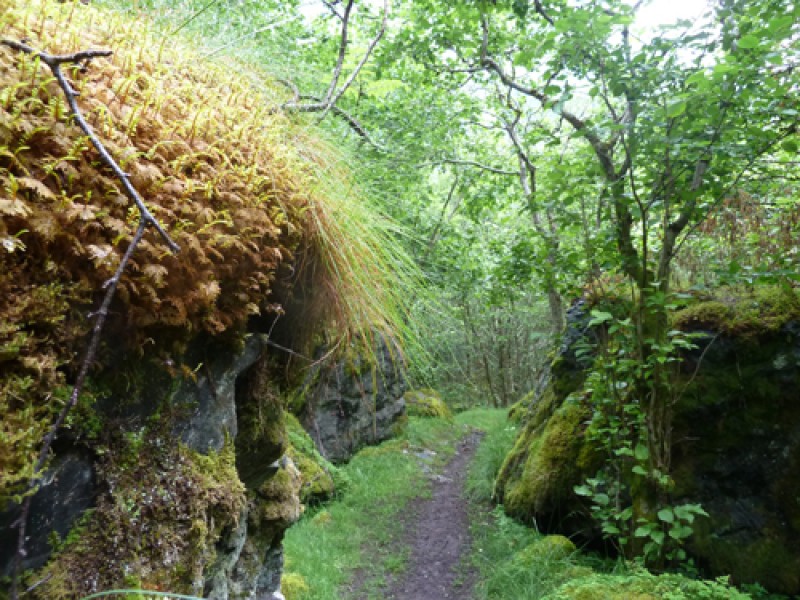
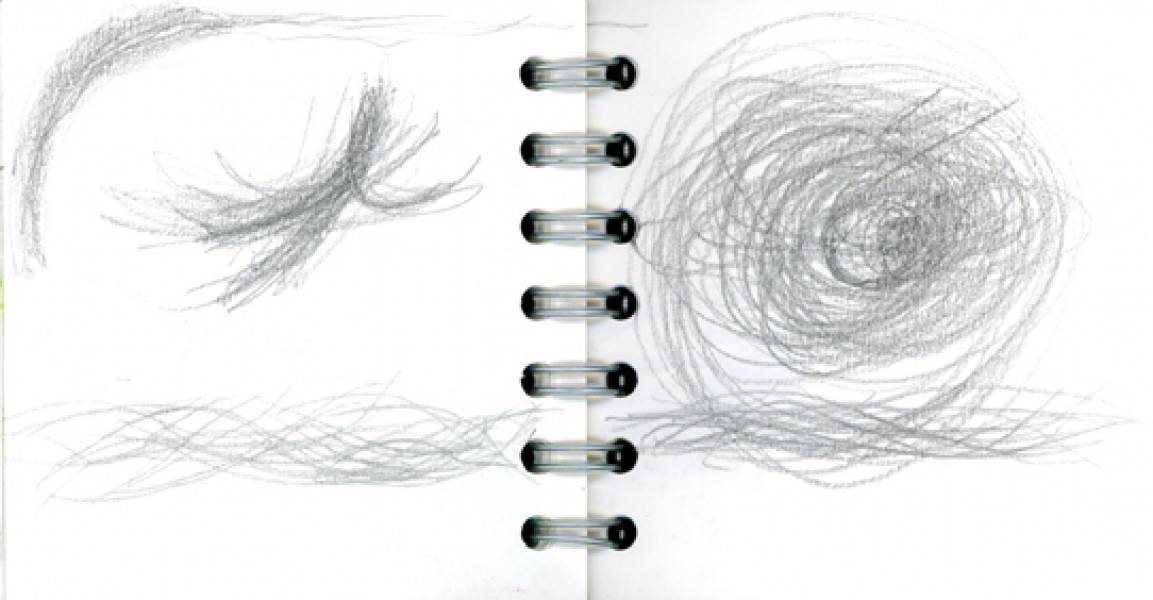
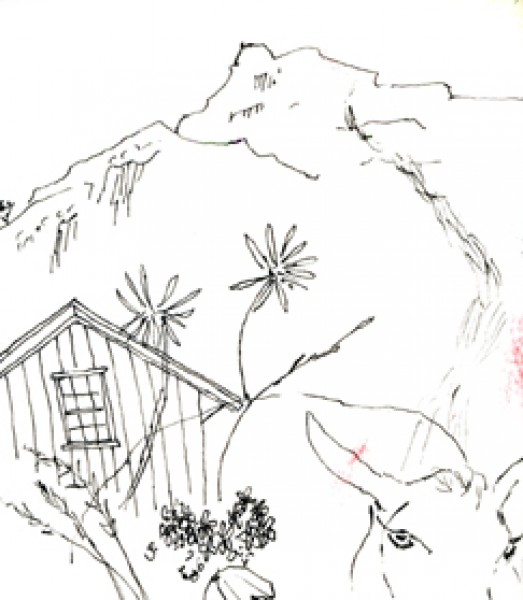
We had a full session of drawing on the ferry – skyline, water meeting land, water and mist, followed by a good session walking along the ‘Old Post Road’ next to the Fiord drawing sound, writing haikus, drawing without removing pen from paper, without looking at page and hearing Jorun tell the Norse Creation Story.
Evening meal of traditional workers fayre – sour cream with cream, meats and crisp bread – a great background to our review. Also added to by presence of Sue Reed and Jorun’s knitted dress, incorporating stories of place and wonderful golden slippers from Stroud.
Our ideas are to make a book of the slow tourism potential in the valley, a conversation between visitors and local people. Morton is also keen to see this as one of a number of collaborating projects, a circuit board with Aurland and Stroud for example as two points, or lights on the circuit. I spoke about this to Martin in the context of ‘micro-utopias’, he had a better term ‘communities of discovery’, perhaps ‘communities of hope’.
This ties in with the Derby walk and Transition Towns.
Day 4. We wake-up at the farm to breakfast around a table in a farmhouse in an enclosure in the mountains. We hear stories of blue cows and golden fleeces and Huldra’s attempts to entrap the farmer.
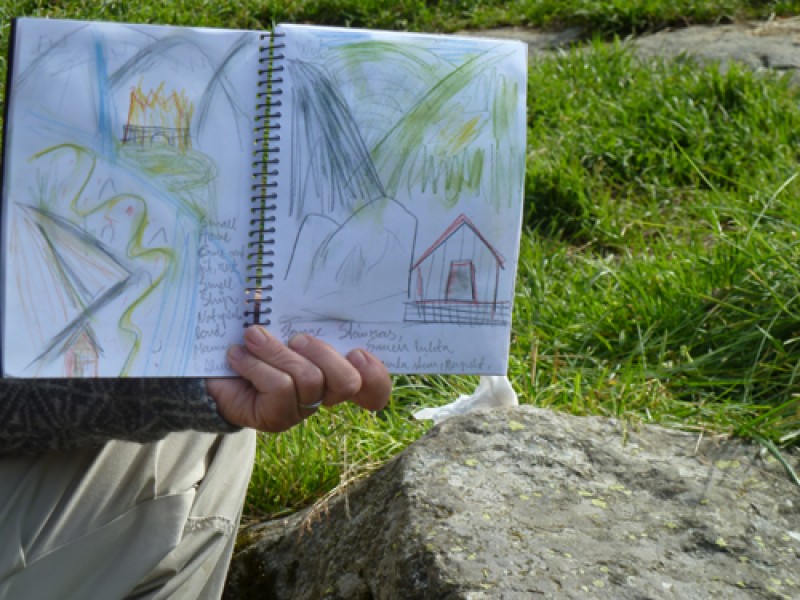
We review work from the day before, seeing work made as we approach the farm from above and below.
We draw more and walk down the mountain, passing farms and scenes of personal tragedy, natural wonderment and everyday lives. We take time to cut grass around one such group of deserted farm buildings.
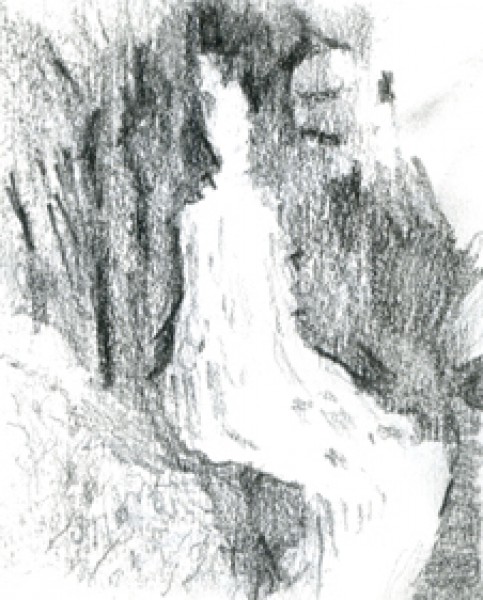
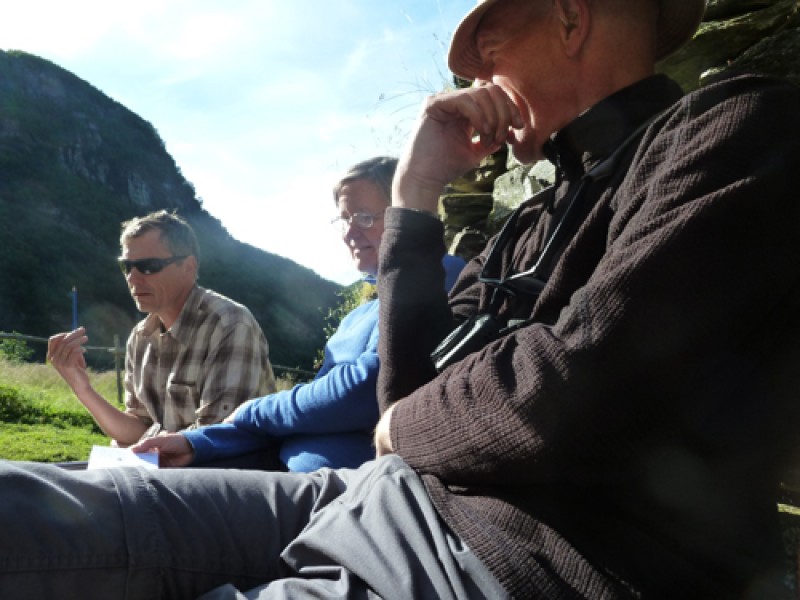
Day 3: Osterbo to Sinjarheim.
Bus trip followed by walk down to the only remaining farm in the valley. Walking east to west to meet people climbing up. Overnight stay at farm. Many stories. The farm’s future is uncertain; currently used by students from the agricultural college, mainly making goat’s cheese.
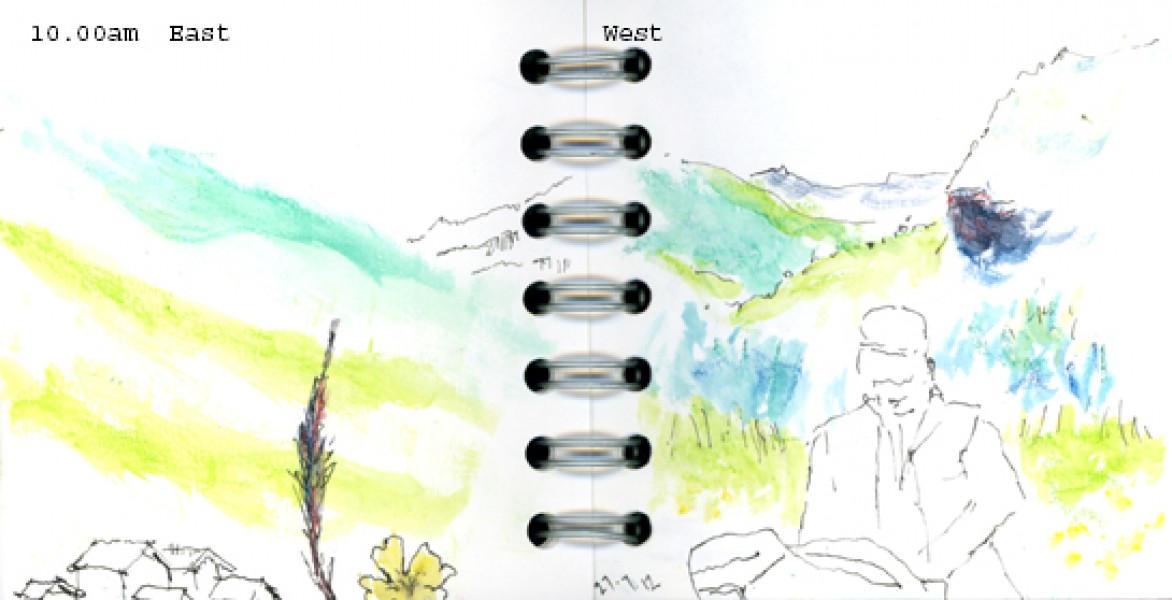
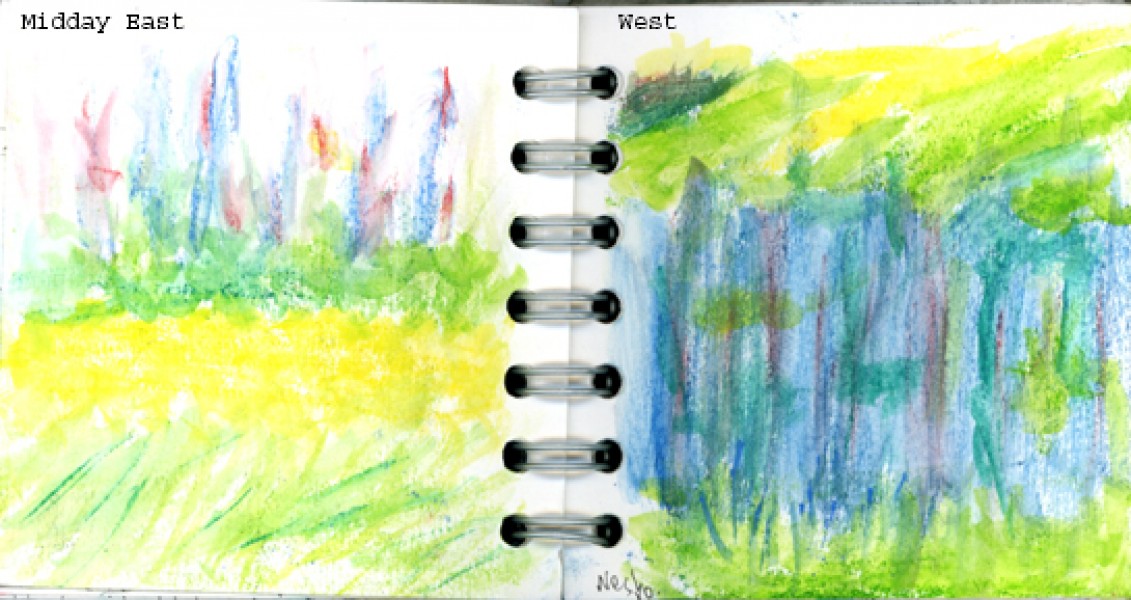
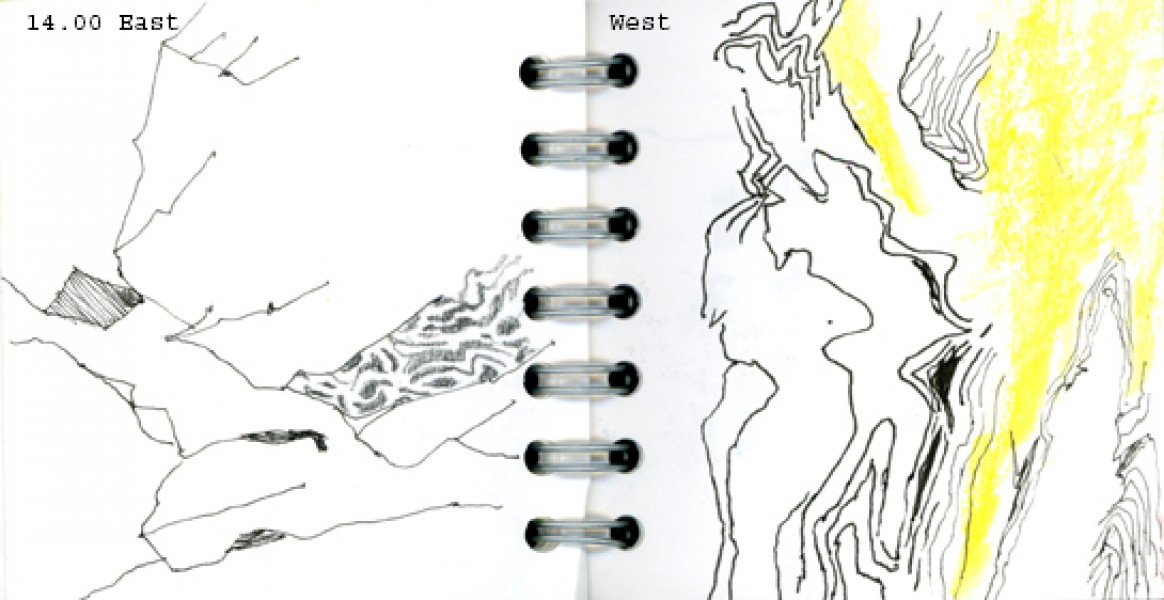
We spend about half of our time looking and drawing – looking east and west on the hour. Regularly overtaken by emptying bus load of fast moving walkers. We are performing slow tourism.
There is never a moment when we don’t hear water falling.
Day 2.
Bergen to Aurland via Myrdal and Kardal.
Part of the purpose for the day was to agree our programme. Over lunch we heard from Jorun and Morten about the proposals to create a deep water harbour for a second cruise ship in the fiord. The value to the local community seemed slight, especially compared to the disadvantages of tourists – 3,500 per ship – being coached up the mountain and back, spending nothing in the fiord-side village and the detrimental affects on community life, natural systems and the fiords natural heritage. On our journey from Bergen we had encountered this when the whole train filled with tourists and we had to vacate the seats – we later met some of these tourists eating packed lunches in the railway station.
The need to use our visit to explore how we could help develop slow tourism became evident.
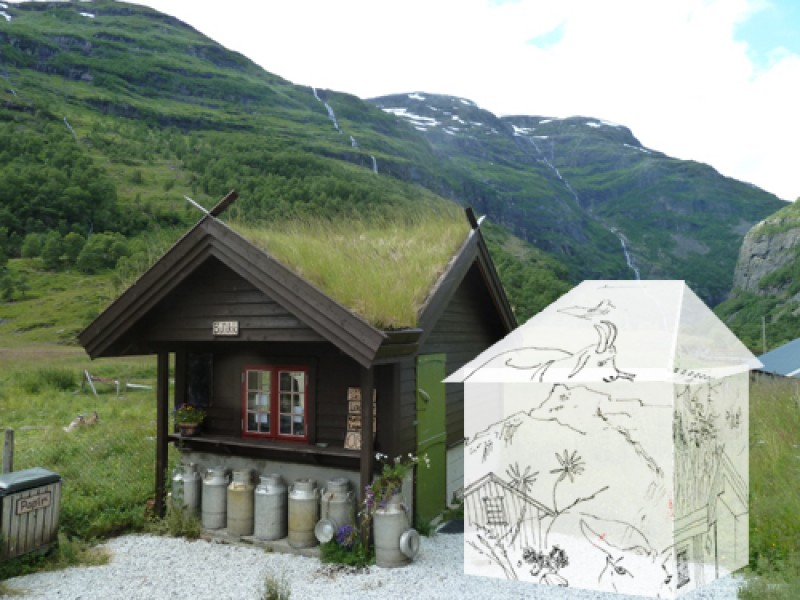
Our lunch stop was at Kardal, a farm co-op making and selling goats cheese, itself a traditional way of managing the landscape and especially the summer farms and meadows and whole culture of transhumance.
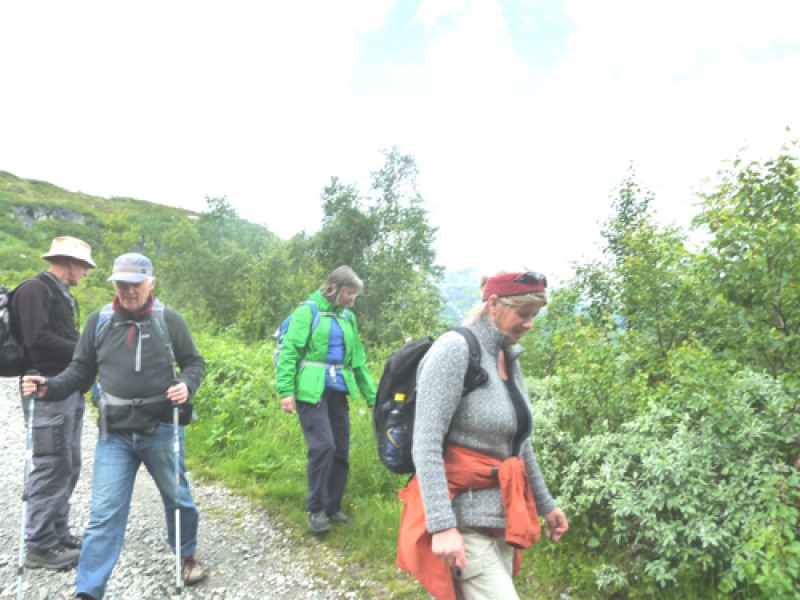
Study tour to see Morten Clemetsen and Jorun Barane in Norway with Helen Keating, Martin Large and Kel Portman.
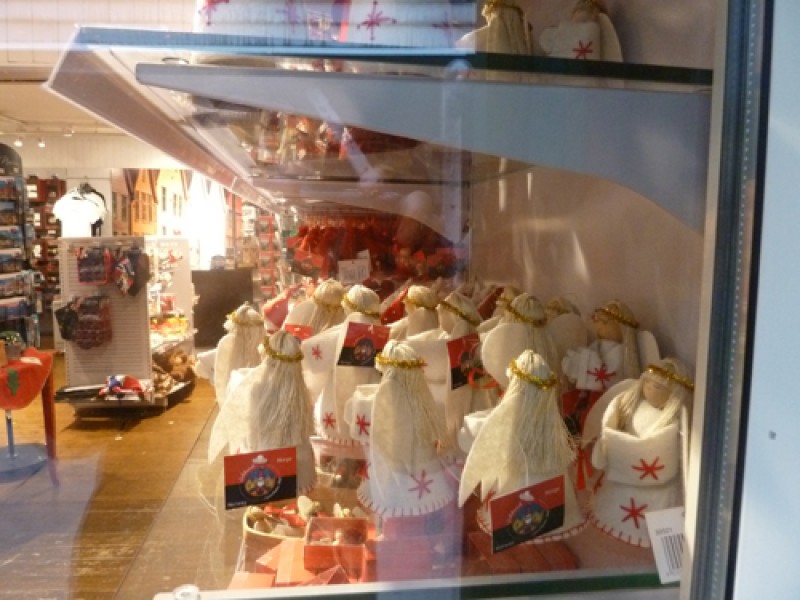
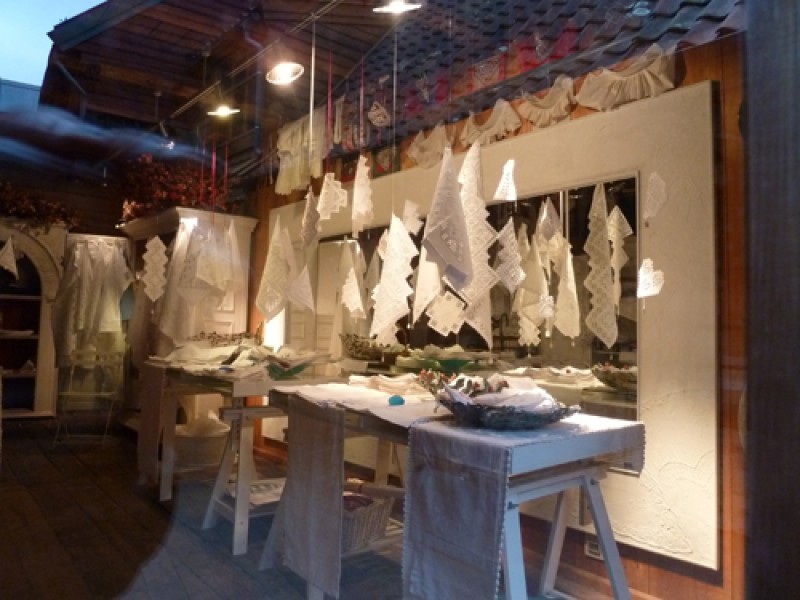
Evening 1 – Bergen World Heritage Site. So what is heritage for? Is commercialism a central or subsidiary objective – what are we experiencing, heritage,commerce? Are we experiencing heritage as consumers?
Successful contact with ‘Arts and Humanities in Higher Education’ regards publishing papers from symposium.
Discussion with Sue Porter about Derby book chapter.
Circulated draft chapter three of thesis
worked on and circulated Folly Wood action plan, seeking contributions
Attachments
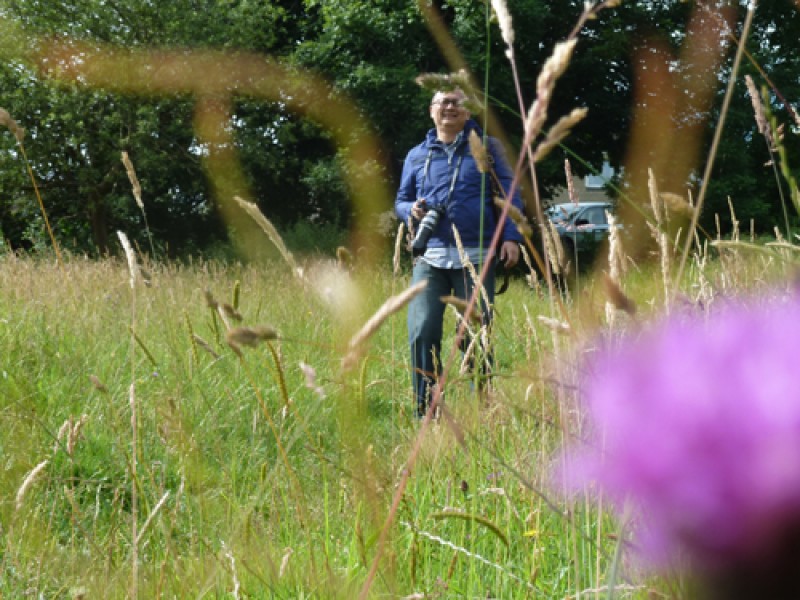
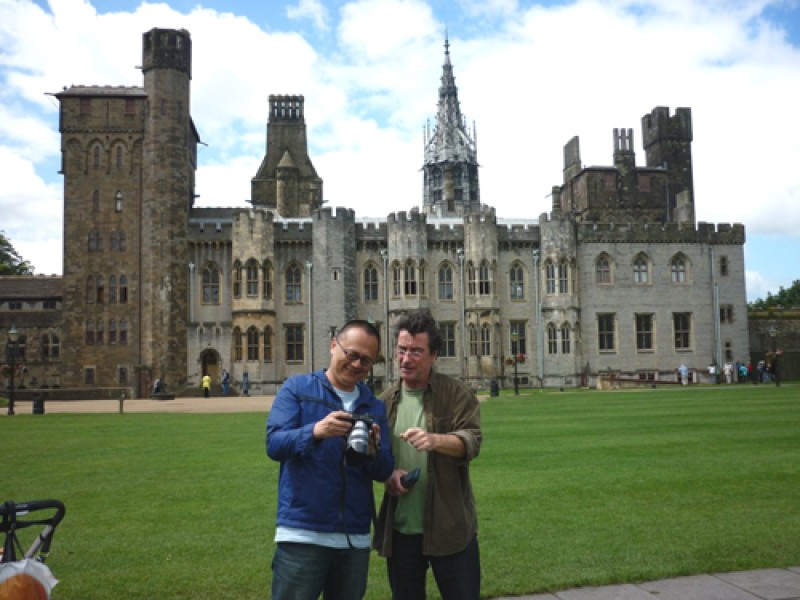
16th to 19th: Lu Jian visit from China. Jian teaches modern art at Shanghai University and we have collaborated with a digital exchange about the Dawn Redwood – an endangered tree taxa. Many interesting conversations, especially as Jian is doing a PhD in Shanghai about people and environment and public space. Some really helpful exchanges of ideas about space, place and micro-utopias. Some great green tea too! And Khrushchev’s socialist meal of potato and beef that Jian made while I continued writing my thesis.
It seems to me that the state, as with our capitalist system is the elephant in the room. Can any system satisfy our community needs and individual creativity?
‘you live in paradise’, says Jian stepping onto our balcony overlooking the Severn Vale. Later, watching the news, he asks why there is so much crime in England – ‘you have everything.’
We visit the Cotswold Water Park, seeing landscape restoration and interpretations of our history and culture. We see shops, hotel and lake-side second homes. We also see the dinosaur skull found there. We visit Cardiff, see David Nash pieces in a landscape exhibition at the National Gallery. On our return we visit the William Morris stained glass windows at Selsley Church and wait for Jian’s train back to London and on to Shanghai on Selsely Common.
‘I’ve been inspired in England these four days, the environment, the freedom and the conversations.’
I’ve been inspired by Jian’s resilience.
12th and 13th – good writing routine. Interesting how the writing itself remains an important part of the creative process – a part of the practice.