PhD Archive

Welcome to the Phd Blog

  • engaging with the assemblage, First Friday Walk in the Park and Museum in the Park.

    this is where the blog finishes – or maybe pauses – while the research is written-up.

    The projects and interventions haven’t stopped – they have developed and changed and this change in context, in some part influenced by the practice outlined here, continues to influence and change the practice.

    So, the blog is stopping at the point where I paused and reflected with partners and co-researchers and the wider community on the work. In a way the writing up is a prolonged pause and reflection, the results of which will be written-up in the thesis. I hope to post it here sometime in 2015. Meanwhile the rawness of this blog is reference for the creative process – working to create a community-landscape aesthetic as a way of engaging people with landscape and influencing decision making processes.
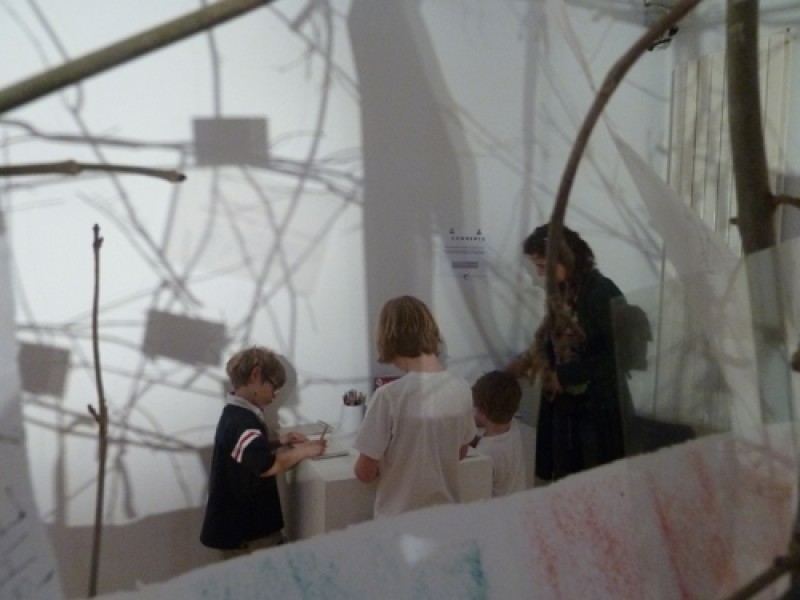
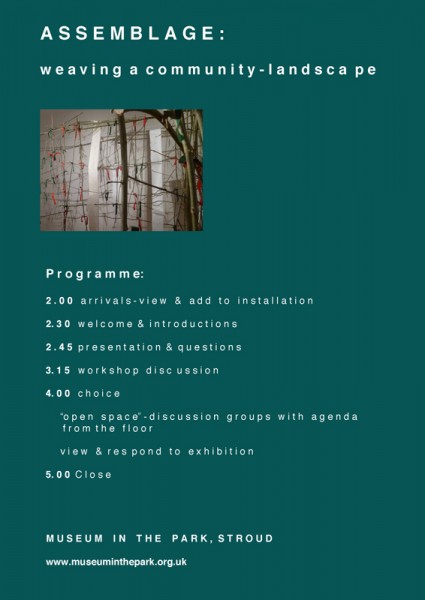
  • engaging with the assemblage, First Friday Walk in the Park and Museum in the Park.

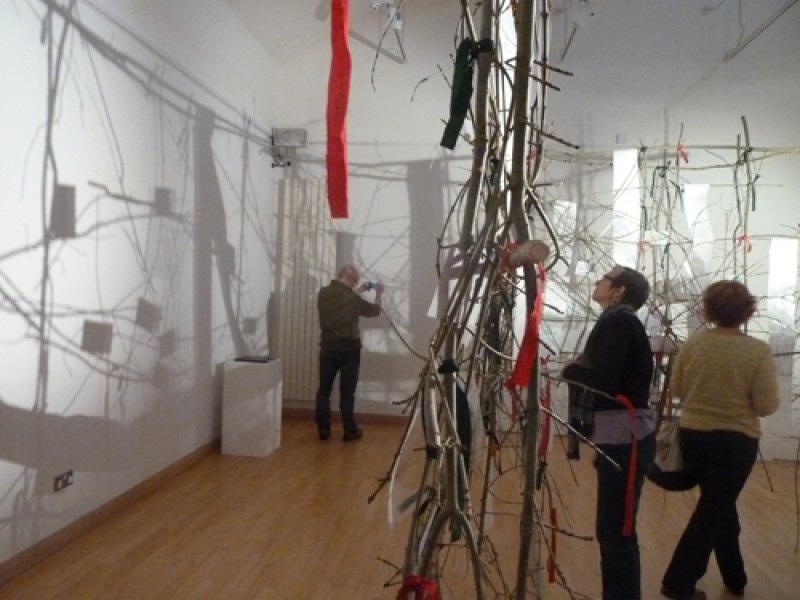
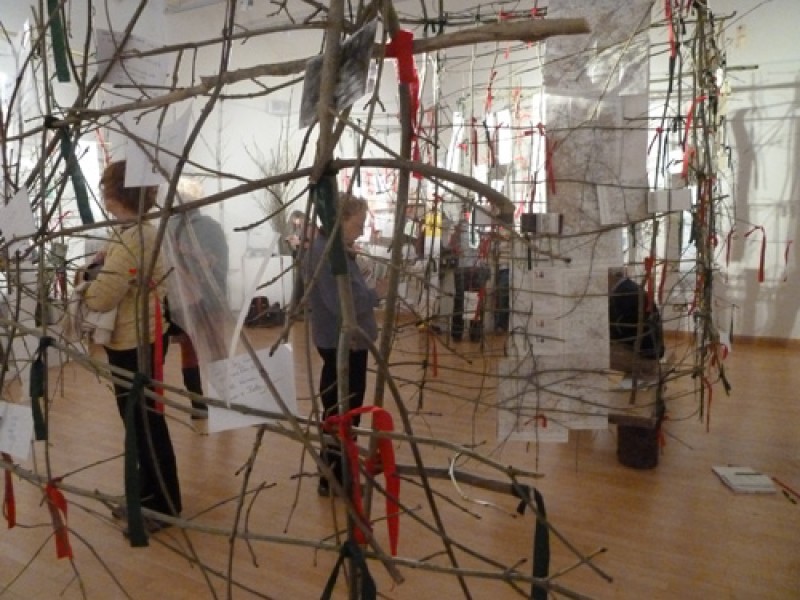
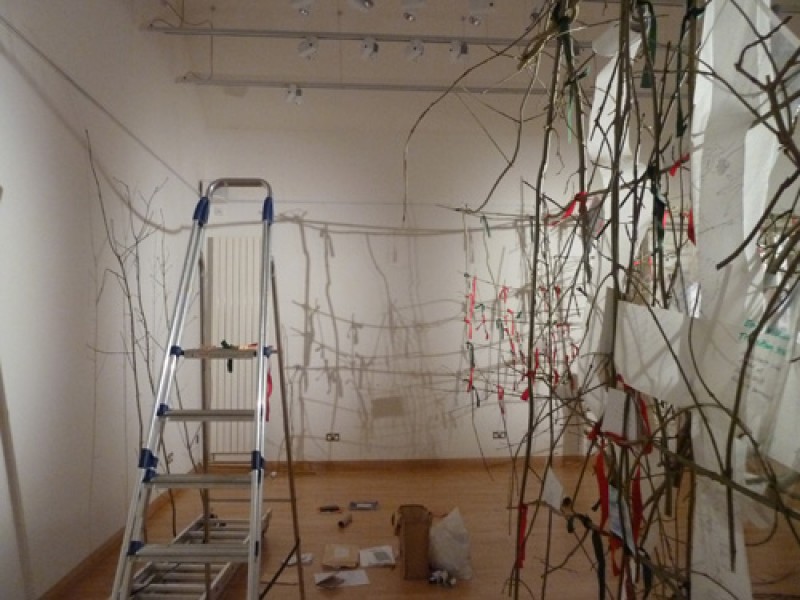
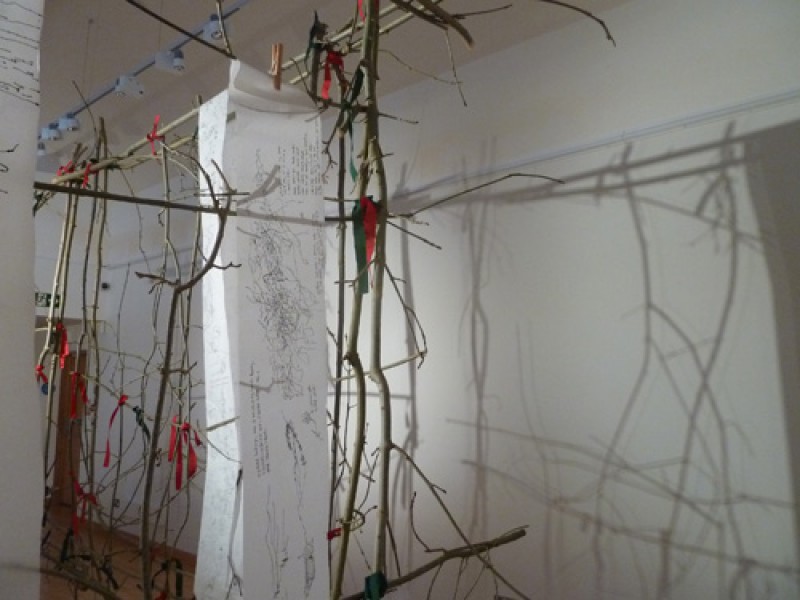
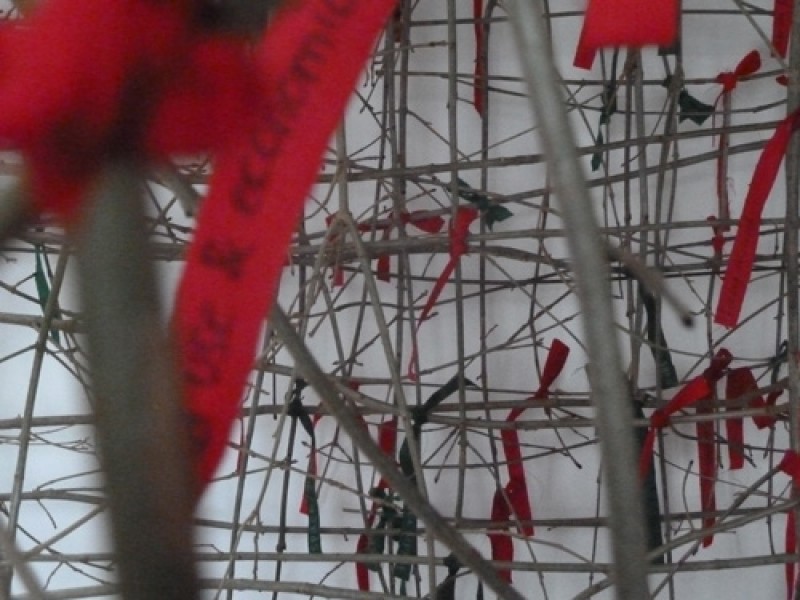
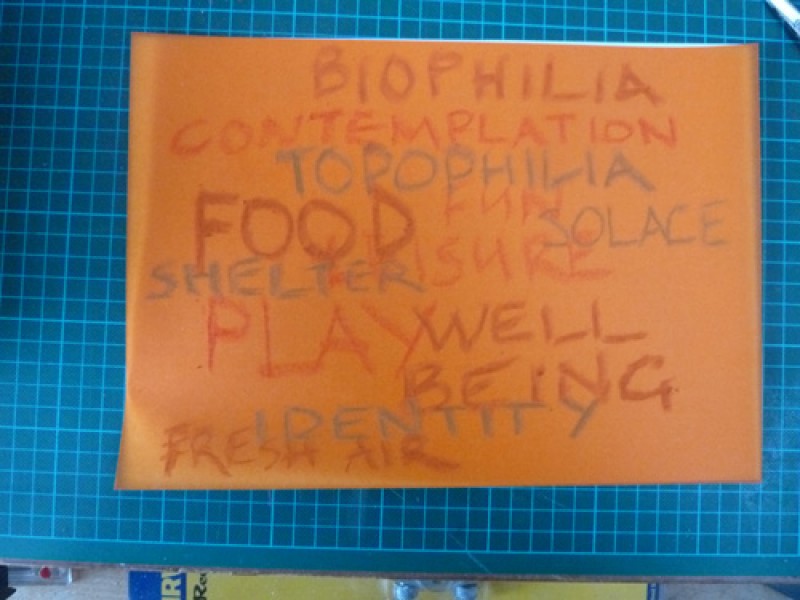
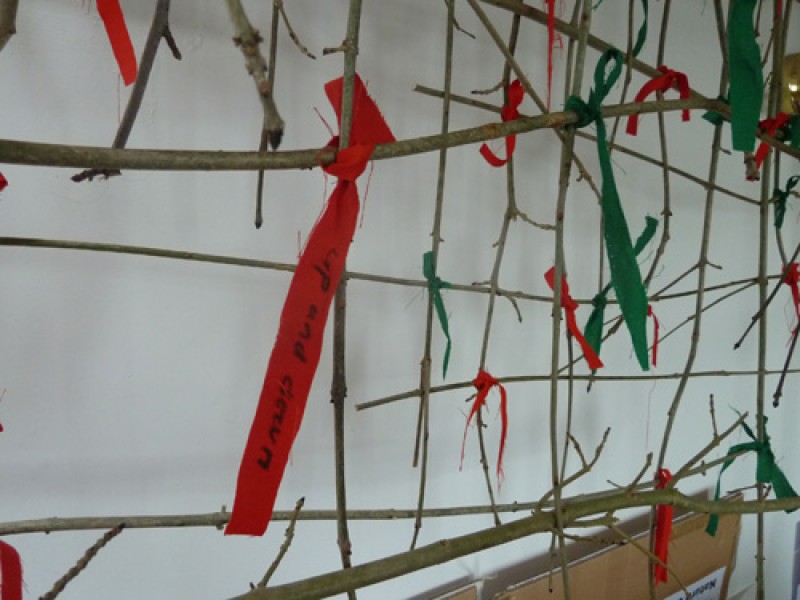
    The primary purpose of the assemblage was to make the research available and in doing this, the intention was to enable people to engage by adding to the structure. This could be done in a number of ways – by adding red or green strips of cloth, by making drawings and by weaving drawings into the structure.

  • installing the assemblage

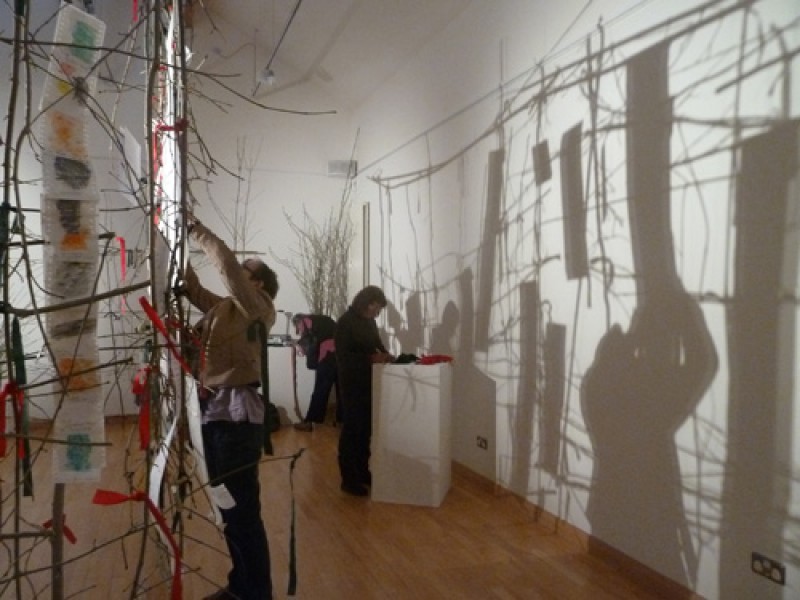
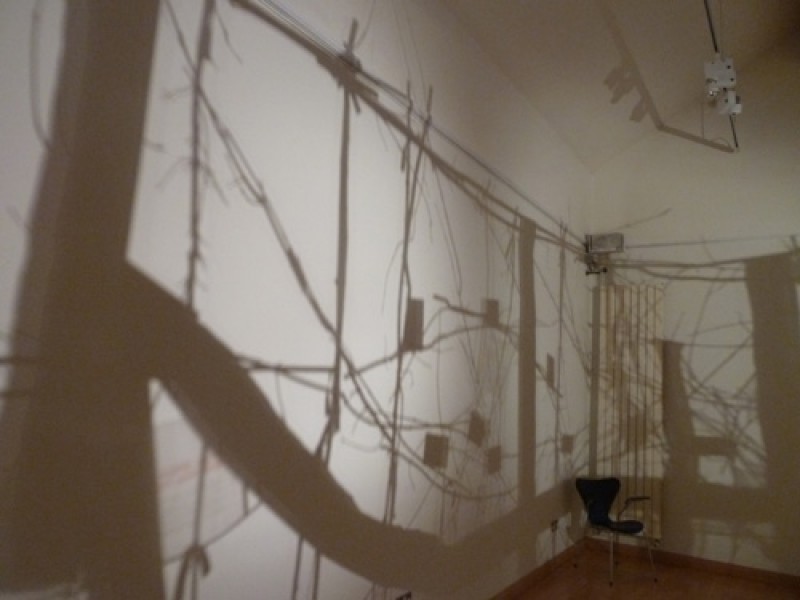
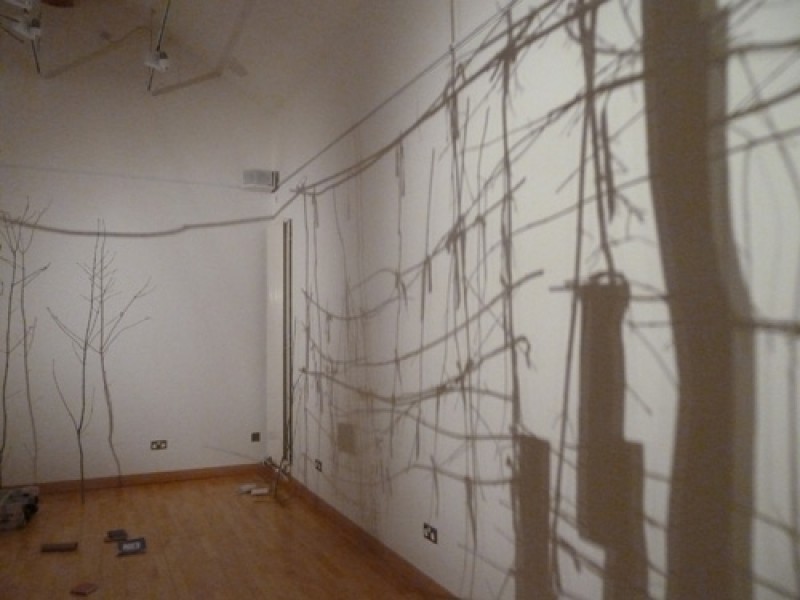
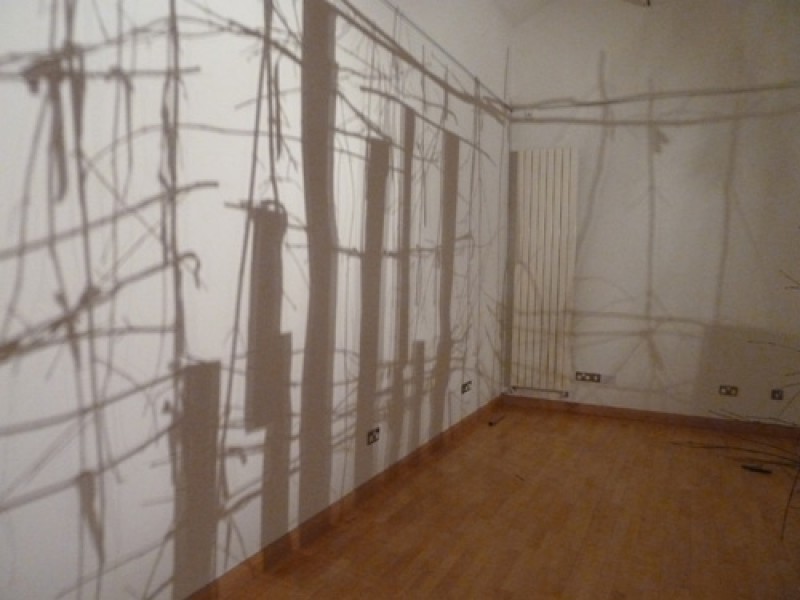
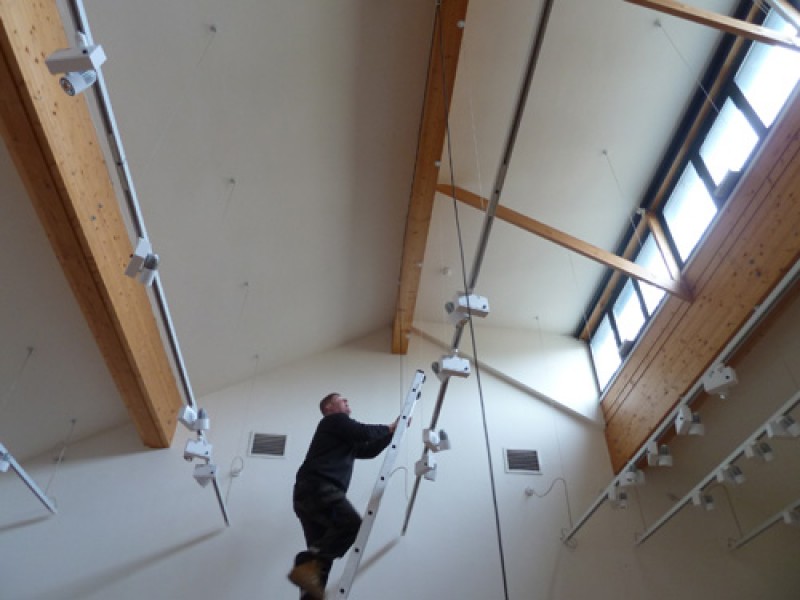
    as with a lot of my installations, despite the long run-up period of researching, at the time of installing, it is a live event. The time taken to chose and cut the ash, the time taken making the drawings, the time taken working with others to collect information, all inform decisions made during the installation, but it also throws up new challenges. Possibly the biggest unknown in this case was the lighting and throwing the shadows on the wall. There was a large degree of serendipity in this process, similar to that experienced while walking and casting shadows on the drawings.

    In the same way that preparing for the installation had helped inform decisions, the activity of hanging and weaving work into the installations was an opportunity to think through how to further engage people with it over the coming days and weeks. This backward and forward looking aspect of the activity is an important aspect for me.

  • installing the assemblage

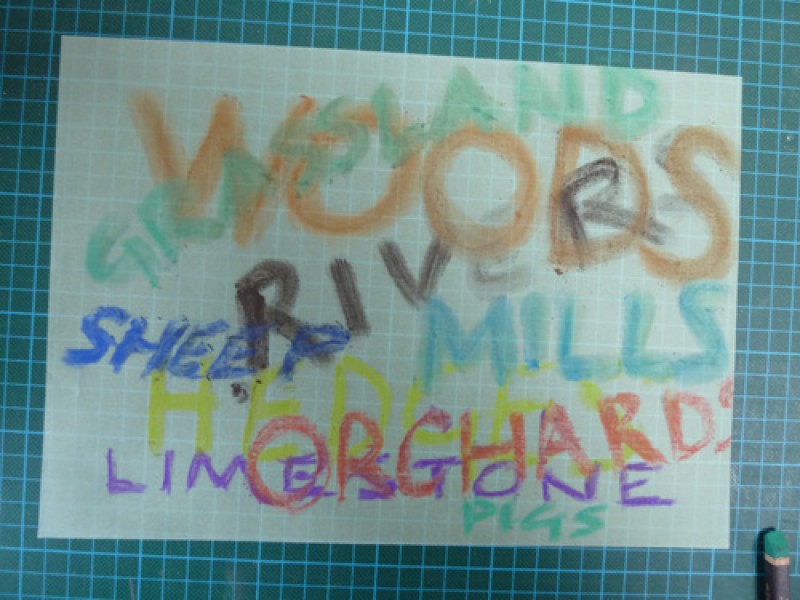
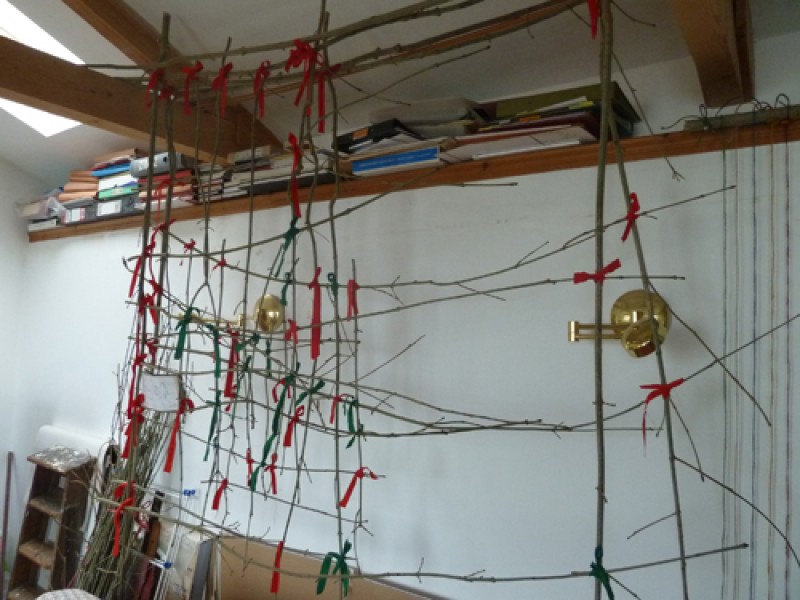
    I had help with the installation, Helen Keating, Alison Parfitt and Lucy Guenot had helped cut cloth and write the words that I had taken from the River map discussions onto the strips of cloth. Kel Portman and Alison helped with some of the weaving in the museum. As I hung and wove into the ash frames, adding drawings and sketch books, makes and postcards, I was aware of the shadow drawings appearing on the walls and aware of creating both a structure/space and its projection.

  • developing work for assemblage

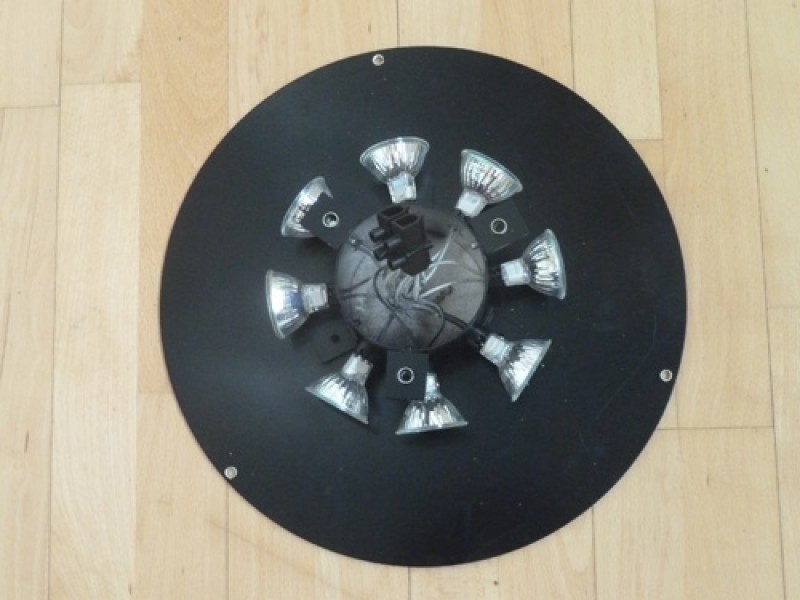
    As well as developing the ash weaves, I had been talking with Clive Chinnick, of Chinnick Theatre Services, about making a lamp that could be hung amongst the weaves and as the only light source, would caste their shadow on the walls of the gallery. I had also considered much lower lighting with each visitor being given a wind-up torch. This is probably a good time to mention how accommodating and helpful the staff at the Museum in the Park were.

    While the idea of people making their own light was appealing, along with the whirring of the wind-up torches, reminiscent of both bird song and light industry, I decided on the option that for me talked about us all being between the sun and the land, all casting our shadows.

  • developing work for assemblage

    The red and green ribbons became a metaphor for the co-creation of landscape – the red about human activity, the green about landscape’s agency. This was also expressed in the book I was making to accompany the installation. The book was about three facets of the emergent practice – collaborating, encountering and exchanging.

  • developing work for assemblage

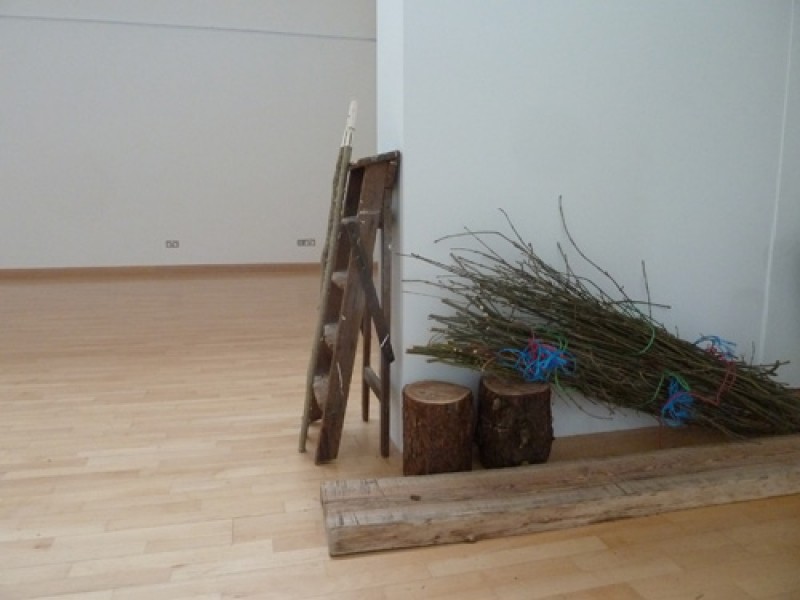
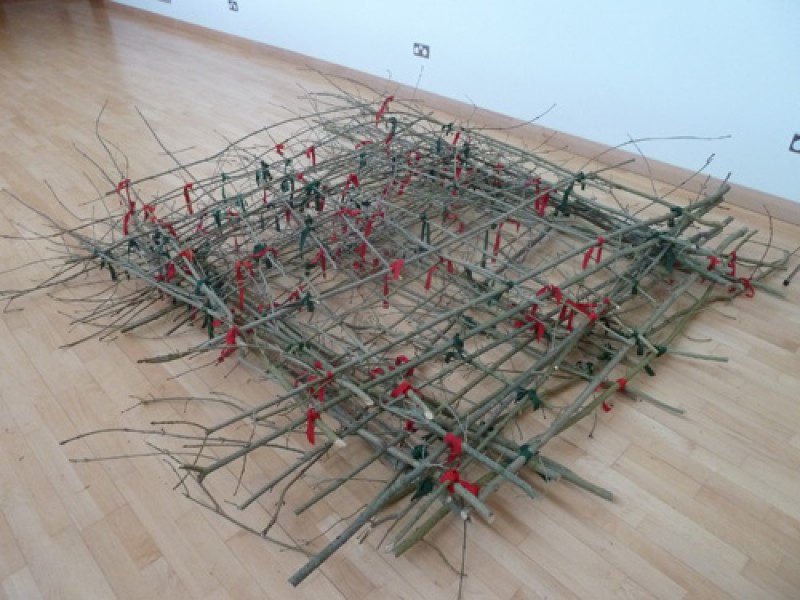
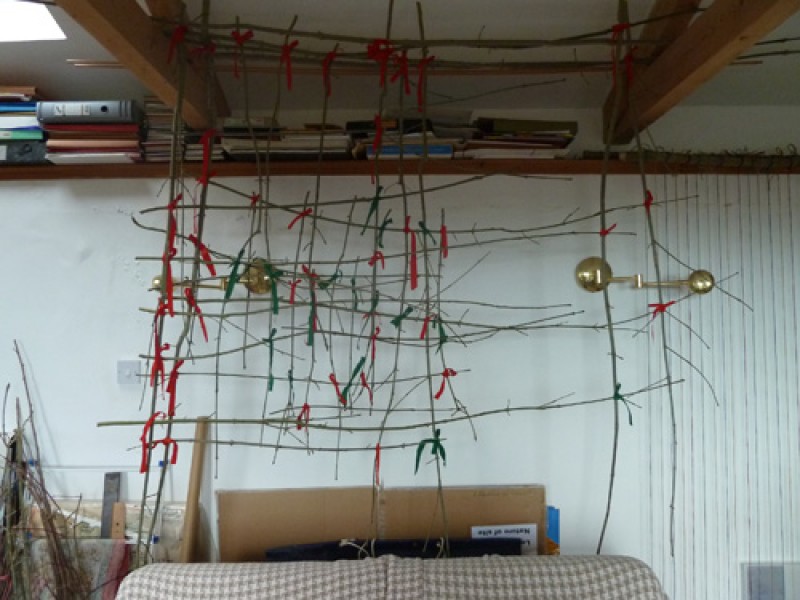
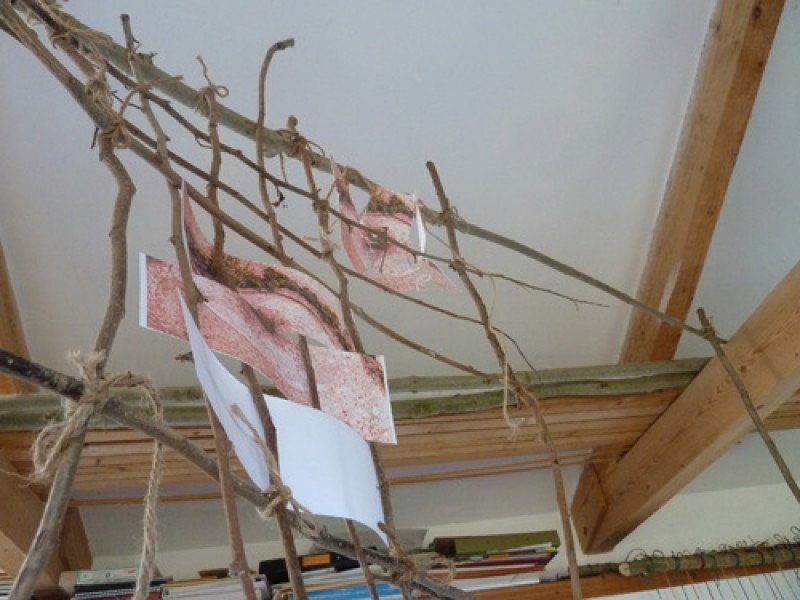
    Decided to continue with the wood weaving. Although the loom perhaps had a more direct link to the weaving metaphor that I had adopted, weaving wood had a more direct link with landscape and was in its very production, managing the landscape, albeit it in a small way. After experimenting with a few species, chose to use ash – it is supple, good colour and bud’s are great nodules. Also much to be cleared and coppiced from a landscape management point of view. Ash die back also a factor as was their frequency as the rubbed tree on the woodland pilgrimage. How much the landscape would change without them.

    Using red cloth to tie them symbolised how weaving has co-created the landscape, the landscape represented by green cloth.

    Although the massing of the ash weaves was visually appealing, it did not reflect ideas of moving through, being a part of. The overall design for the installation was to create walking experiences, to create an open space. Nevertheless, I was keen to play with the shadows that a the structures cast – an added dimension and commentary on both the affect of landscape on us, and our effects on it.

  • tutorial

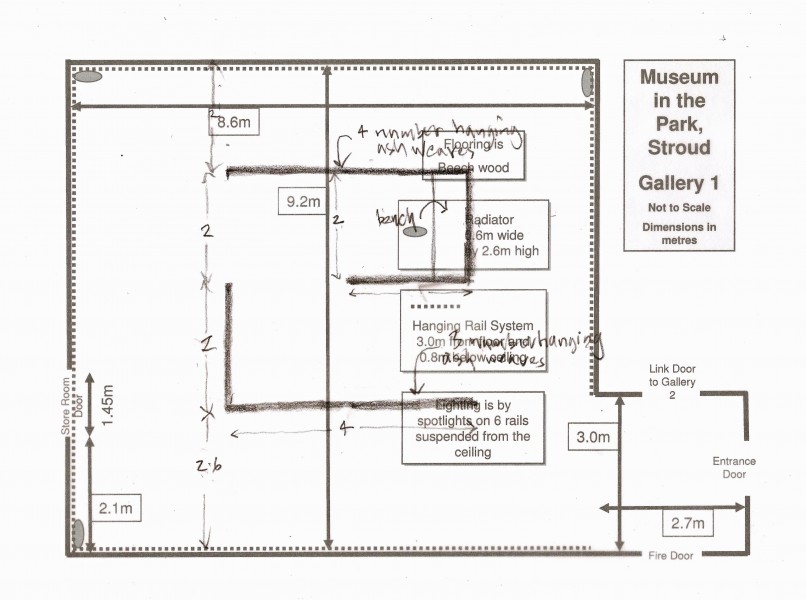
    Tutorial in Stroud with Professor Andrea Liggins, Dr. Rob Newell and Dr. Catrin Webster. Discussion about the two ideas under development. Included visit to the Museum Gallery and discussion about how the work might be hung.

  • developing work for assemblage

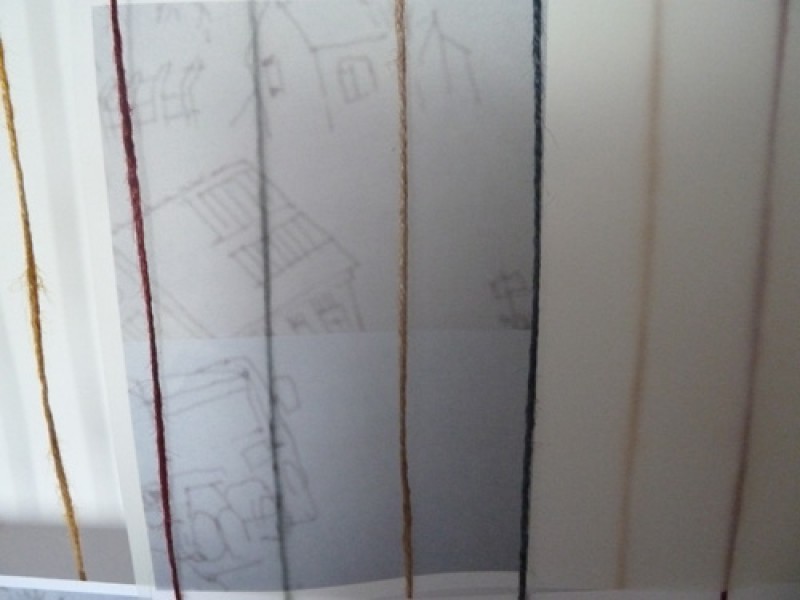
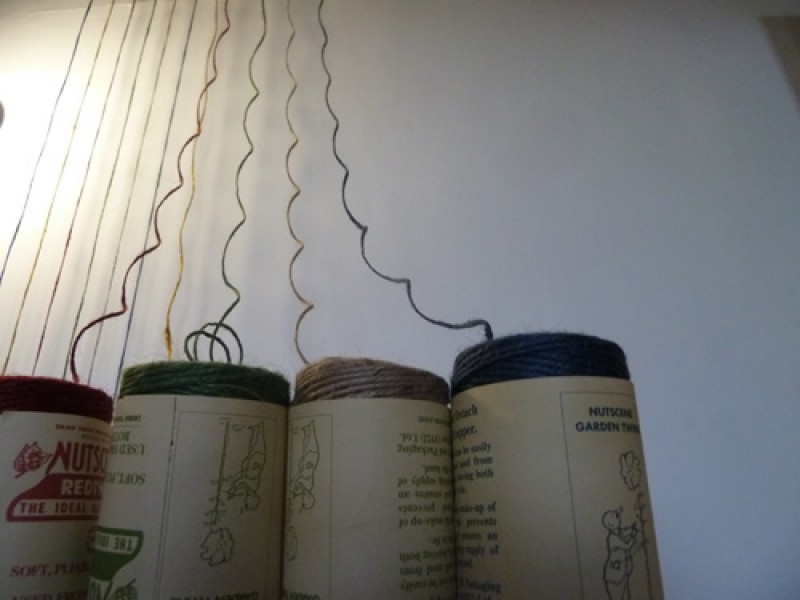
    as well as writing, this period is taken up by ‘drawing-up’ – by that I mean experimenting how to show the outcomes of the research. Two ideas were being developed alongside 1. making a series of looms that would include the various drawings from projects and to which people would be able to add further drawings. 2. weaving with locally harvested branches to which work could be added.

  • Wildlife Grazing Steering Group Meeting

    meeting to set out framework for project. Identified a possible role for WtL in revealing participants’ narratives.