Richard Keating

  • The Weave

    Visit from the Academy of Urbanism. Reviewing brief and developing plan for “diagnostic visit” later in the year. My reflection on this as an outcome of the Weave Symposium has lead me to review the effect of my drawing, particularly in light of the “External Perceptions” of Stroud exhibition and what I see as a return to “expert lead” processes or maybe more accurately, a dependence on “someone else” doing it for us. The drawing process has certainly been a catalyst to generate action but there is pressure to return to a more tried and tested (but not necessarily successful) paradigm.

    The AoU “diagnostic visit will be process focused but for me there may be shortcomings similar to other Stroud community engagement events so it is important to put it into context and see it as part of an ongoing process. My efforts need to concentrate on the arts practice as a way of engaging more people in whatever collective vision is arrived at – developing a relational aesthetic based on a place sensitive approach.

  • Tutorial

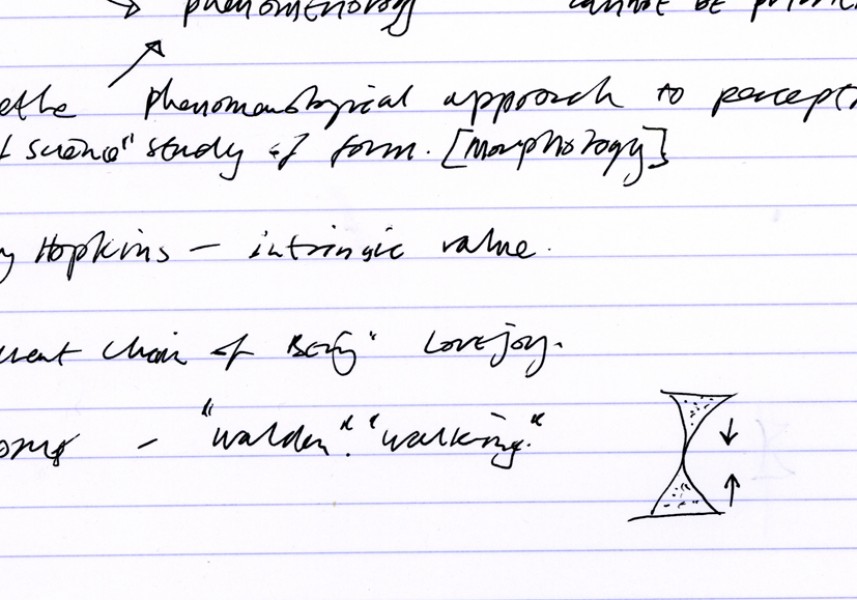
    Meeting with Rob Newell to discuss philosophical framework of thesis based on text previously emailed. Interesting that what I have been thinking/feeling/saying about what is and isn’t real is core to much philosophy – so my practice which has been developing the importance to me of experiential learning (Rob suggests this is similar to a phenomenological approach) has lead me to explore these questions more deeply. The tutorial also allowed me to explore and voice ideas about the “shape” of my research – the theory and practice, the simultaneous broadening and widening of community engagement. I was taken by an egg-timer shape, with me holding it at the neck and choosing when to turn it – it was the shape that seemed to reflect how I felt the relationship should be – the introduction of tension, contrast, dynamism. Serendipitously, the Drawing Research Network had thrown-up a diagram of DNA as a description of the resonance between theory and practice. Thanks Nina Baker and Karen Wallis.

    We also discussed the work shown on this site, particularly the “tree map” video.

  • The Weave

    Meeting with Max Comfort, Carole Garfield and Val Kirby to prepare for Academy of Urbanism visit.
    Making animation and uploading on Video.

  • The Weave, Thesis

    8th to 10th
    making animations and uploading onto Vimeo.

  • The Weave

    Meeting with Max Comfort and Val Kirby to look at funding.

  • The Weave, Leonard Stanley School

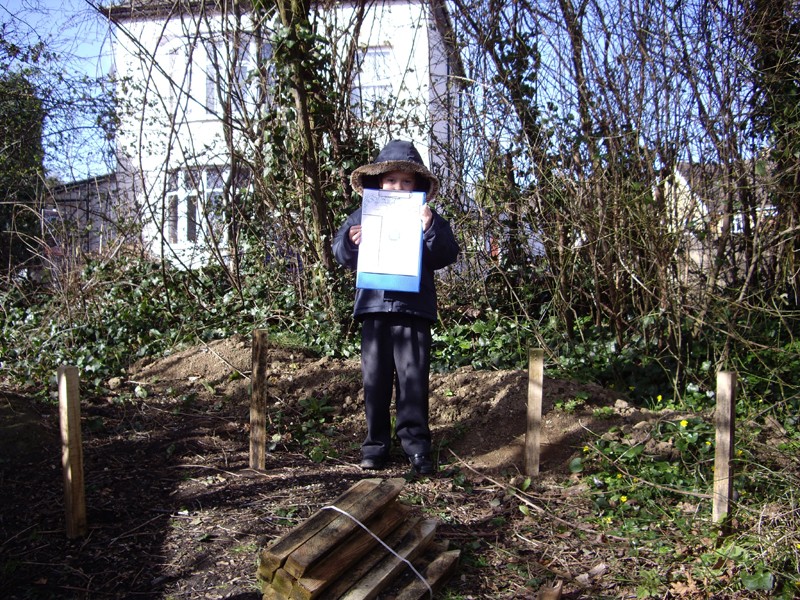
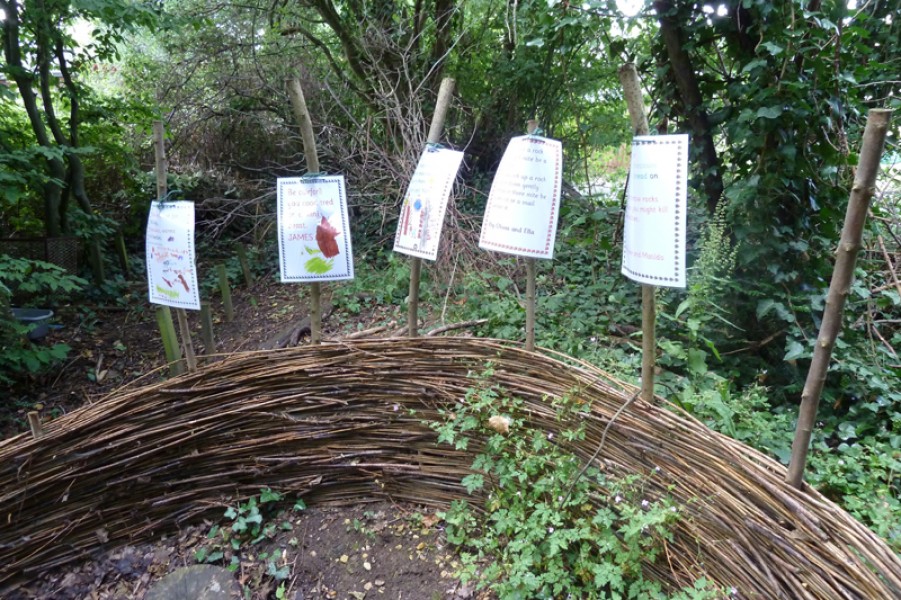
    Ongoing work with Class 2 at Leonard Stanley PrimarySchool relating to their nature area. Preparing poster display for parent open afternoon. The original project, funded by The Ernest Cooke Trust, was aimed at using an arts based approach to supporting a class with a large percentage of boys and a large percentage of pupils with a range of learning issues by practical engagement in learning about the world around them and each other. They helped design and build a “cabin in the woods”, used tools such as hammers and spades, weaved dead hedging, used digital cameras and computers, learned about wildlife, appeared on video and drew a lot.

    Report to Stroud Common Wealth about the WEAVE.

  • The Weave

    July 4th and 5th.

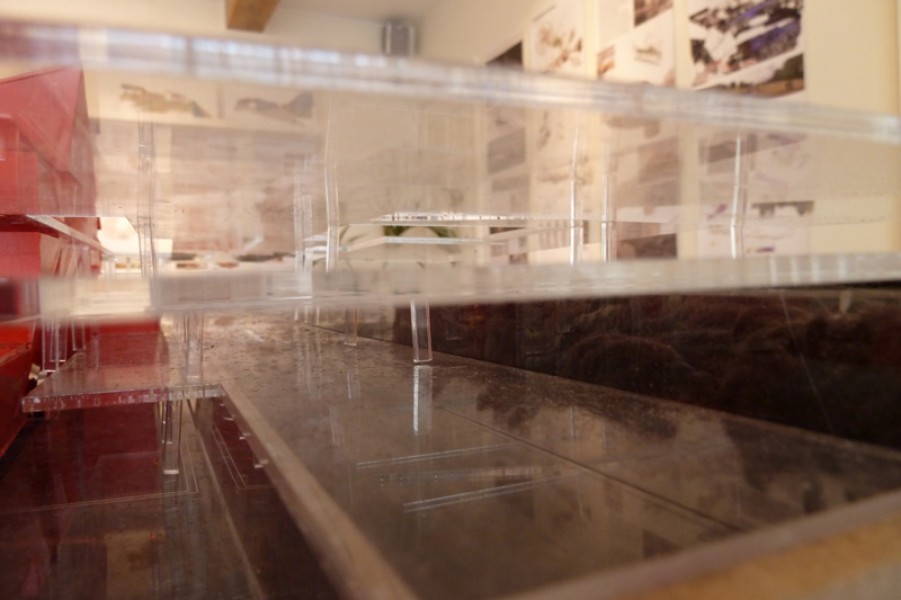
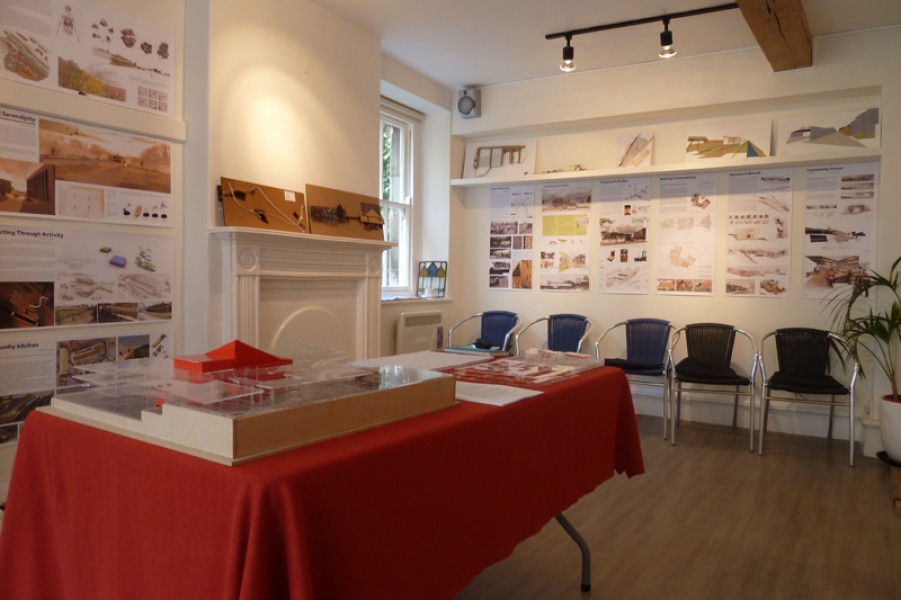
    Invigilation at “External Perceptions of Stroud” exhibition and writing about my research as an example of how the arts can engage communities and influence landscape change processes. The exhibition is off work produced by architecture students at UWE. Visitors interested in the work and it provided an excellent catalyst for a number of conversations.

    The exhibition and associated meeting was hosted by Mills Cafe and organised by Max Comfort and Carole Garfield of Stroud Chamber of Trade and Commerce as a next steps in The WEAVE. The meeting was very well attended with both the leader and vice-leader of the district council and mayor and deputy mayor of the town council in attendance.

    In discussion, it became clear that the assembled group, while interested in longer-term solutions, were keen to see some “quick wins”, one of which related to signage, walks and gateways. I am left considering whether this should become a part of the brief for the next phase of research. There is likely to be a funding implication.

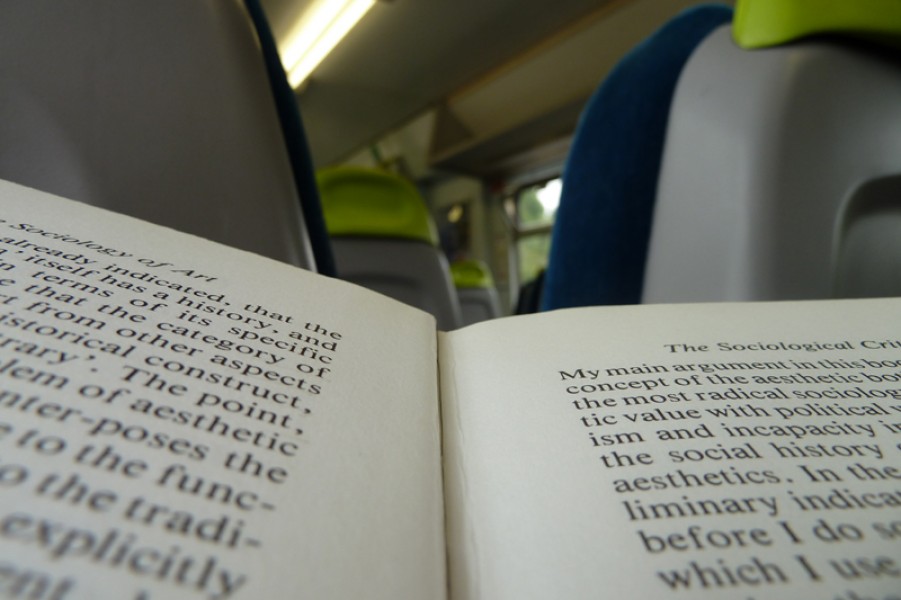
    Meanwhile I continue to read and write about sustainability, citizenship and the role of the arts.
  • Festival of Nature

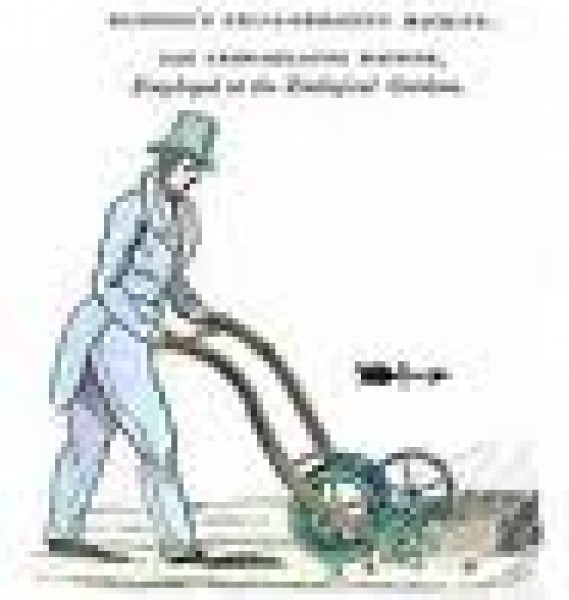
    visit to the Park to listen to brass band and Stroud choirs. Visited SITE art exhibition and the Museum in the Park to research lawn mowers. The first lawn mower was invented in Stroud by Edwin Budding; an offshoot of the machinery used in the wool industry. I am hoping to make a drawing machine very roughly based on a lawn mower for a participatory drawing workshop at teh festival of nature. I’m aware of the (not very positive) links between lawn mowers and biodiversity but not yet sure if this will be the focus for the workshop.

  • Space Place Practice

    network meeting – presentation of work – our places brought to Little Solsbury Hill. Toy record player and discs by Lida Ashe as a part of a remembered place, picnic by everyone, display boxes by Suze Adams, donated by the Natural History Museum.

  • space place and practice

    Making work for Space, Place and Practice artist research group.
    A growing sense …

    as I garden I have a growing sense

    not just a sense that it makes sense to grow food

    but a sense of being

    the feel of the soil, warm in the afternoon

    the sound of the rain, percussive and loud

    the smell of the plants filling the air

    the taste of the fruit, mouth-wateringly fresh

    and in seconds my eyes take it all in, colour, space and things to be done.

    As I garden I have a growing sense of what is real